Home > Blog
Insights & Wellness Blog
Your resource for addiction recovery, mental health strategies, physical wellness tips, and senior care advice from our experts.
Medical & Nursing Facilities
Specialized treatment plans for complex conditions, designed to maximize functional independence and long-term health.
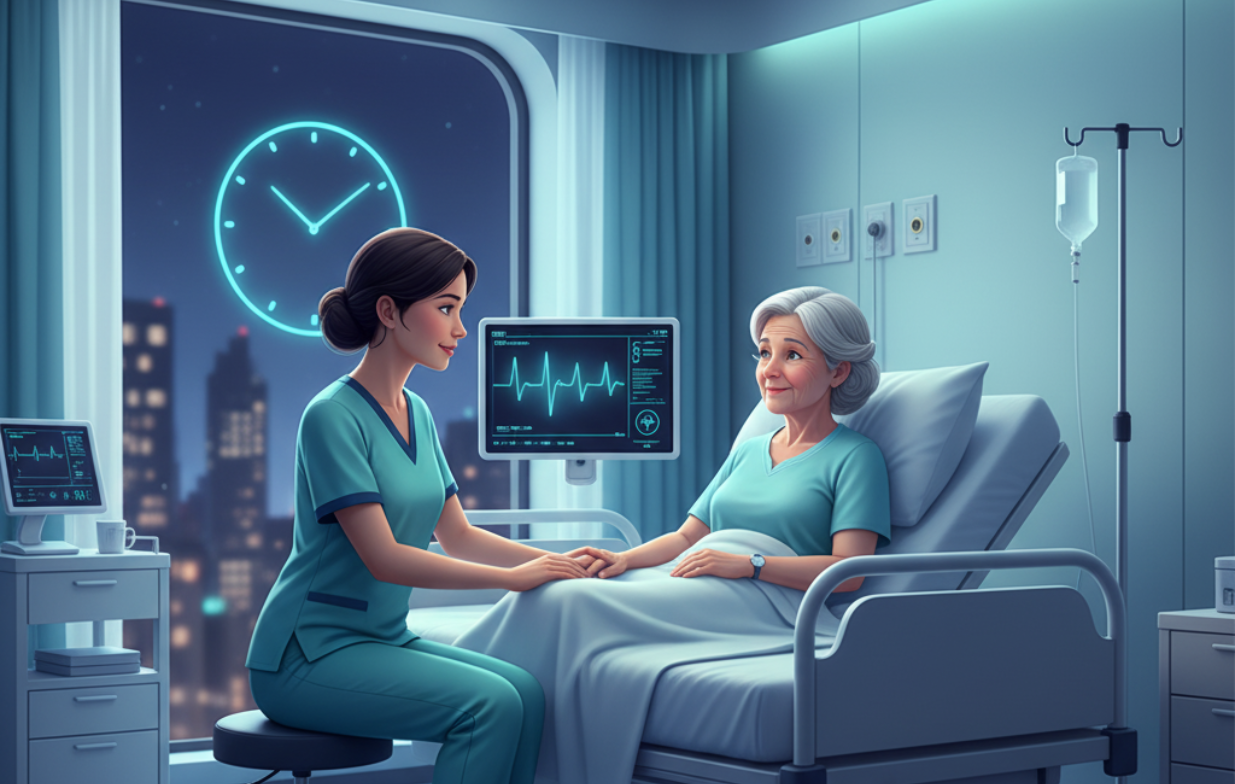
24X7 Nursing & Caregiver Support
24/7 nursing care and dedicated caregiver support for long-term assisted living.
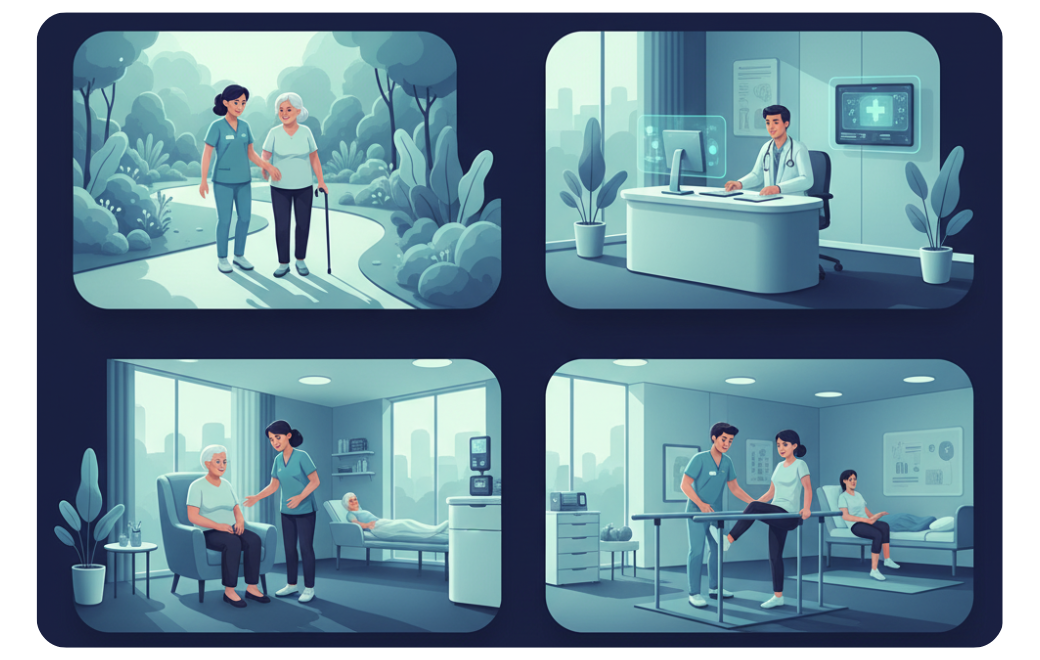
Our long-term assisted living program is built on the foundation of compassionate care and clinical excellence. We understand that choosing a new home for yourself or a loved one is a significant decision, which is why our facility provides comprehensive 24/7 nursing care to ensure resident safety and well-being at all hours.Our team ensures continuous medical monitoring, compassionate caregiver support, and a safe environment for long-term wellness.
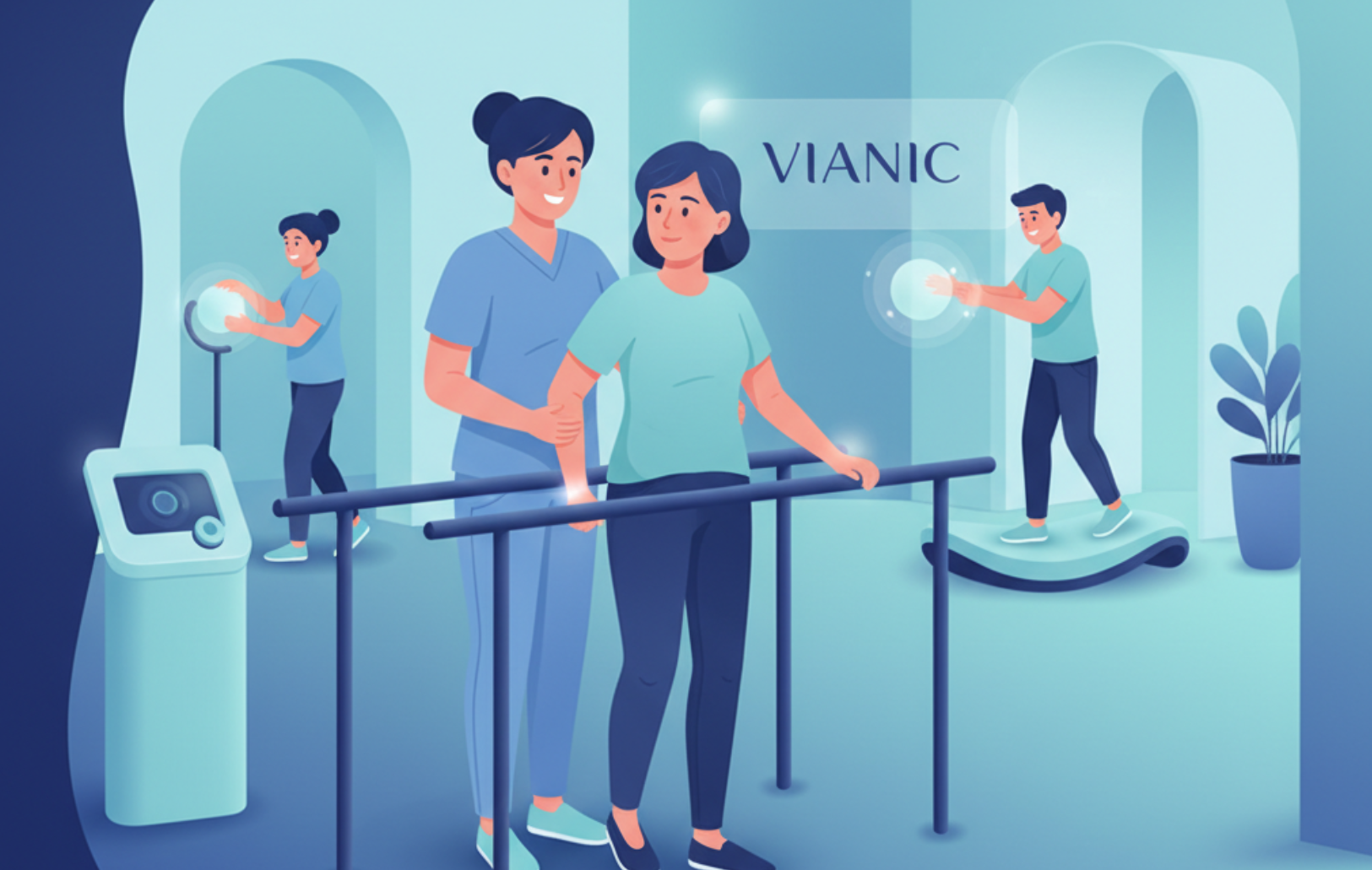
Post-operative Care & Ortho Rehabilitation
Expert post-surgery recovery care with skilled nursing, physiotherapy, and personalized rehab plans for faster, safer recovery.
Our post-operative program combines 24/7 nursing support, targeted physiotherapy and orthopedic rehabilitation, expert pain and wound management, nutrition and mobility training, assistive-device instruction, and coordinated discharge planning — delivered through personalized, evidence-based rehab plans by a multidisciplinary team to speed recovery, reduce complications, restore function, and help patients regain independence and confidence.
Why Personalized Recovery Plans Improve Long-Term Rehabilitation Outcomes
Personalized recovery plans help patients heal faster by tailoring treatment to their exact medical condition, goals, and progress level.
Every individual recovers differently. A customized rehabilitation plan ensures the right combination of physiotherapy, nursing care, mobility training, and therapeutic support. This targeted approach improves recovery speed, reduces discomfort, and enhances long-term independence.
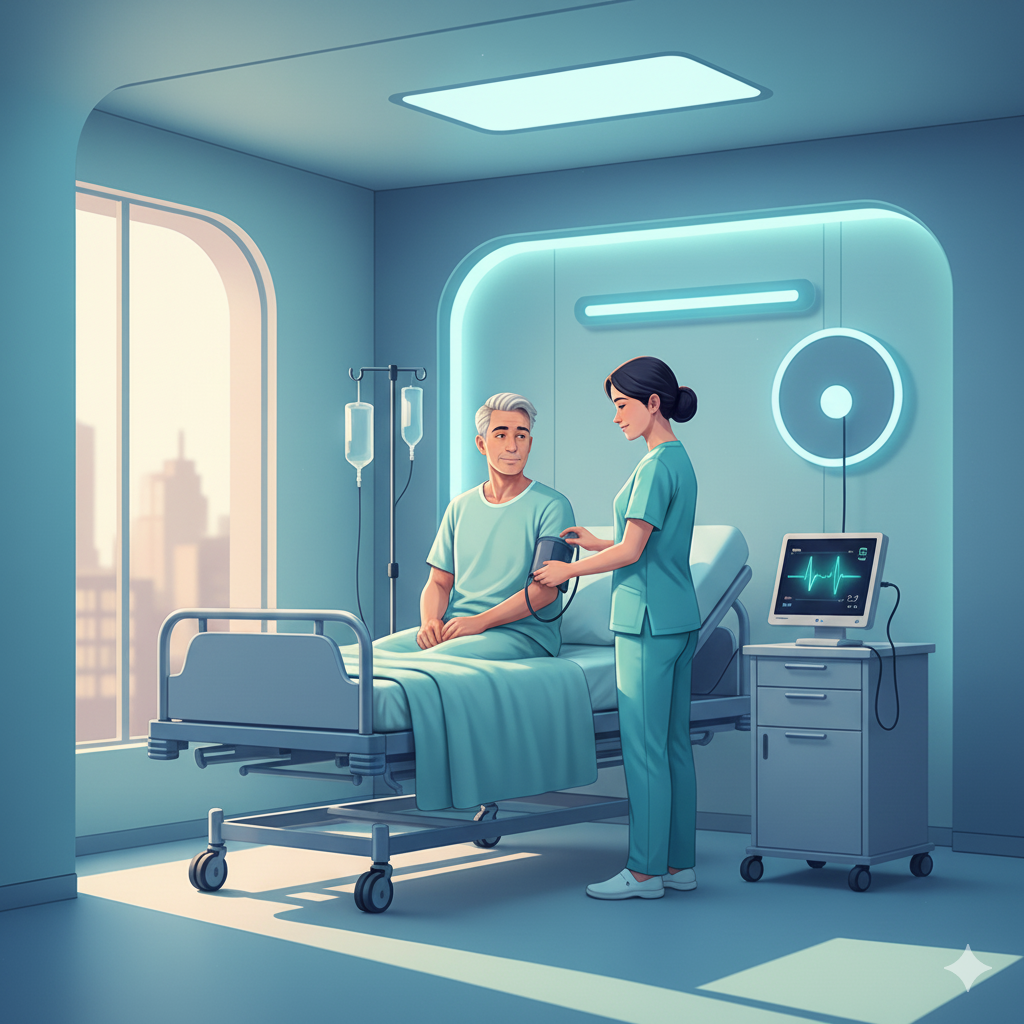
Best Rehabilitation Techniques for Faster Stroke Recovery
Stroke rehabilitation focuses on restoring mobility, balance, strength, and brain–body coordination through targeted therapies.
Our stroke rehab program uses evidence-based techniques including physiotherapy, occupational therapy, gait training, neuro-plasticity exercises, speech therapy, balance correction, muscle strengthening, and cognitive retraining. These therapies help patients regain mobility, improve daily functioning, prevent complications, and speed up neurological recovery.
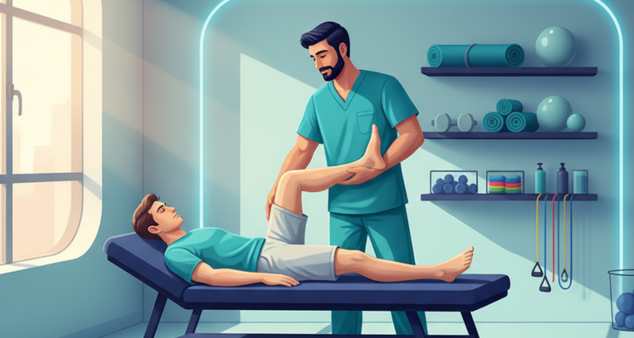
How Physiotherapy Helps Improve Mobility After Surgery
Physiotherapy is essential after surgery to restore movement, reduce pain, and rebuild strength so patients can return to daily life faster and safer.
Through guided exercises, manual therapy, gait training, balance work, and tailored mobility plans, physiotherapists help reduce stiffness, prevent complications, and retrain muscles and movement patterns for improved function and independence.
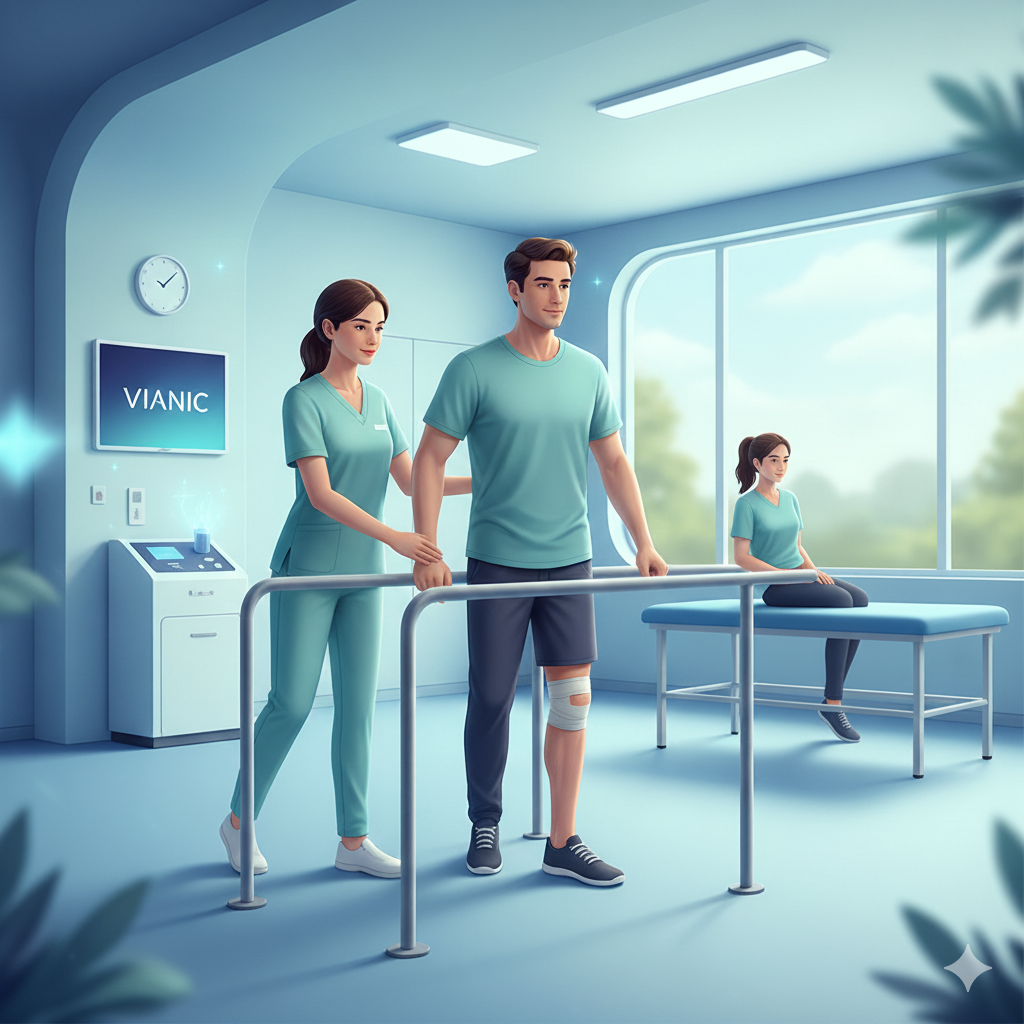
Signs You Need Rehabilitation Therapy: Early Detection Matters
Early signs of declining mobility, chronic pain, or reduced strength often indicate the need for professional rehabilitation therapy.
If you experience difficulty walking, balance issues, slow recovery after illness or injury, frequent falls, weakness, stiffness, or challenges performing daily tasks, rehabilitation can help restore strength, mobility, and independence.
Top Benefits of 24/7 Nursing Care in Rehabilitation Centres
24/7 nursing care ensures constant medical supervision, quicker response to emergencies, and round-the-clock support for recovering patients.
With continuous monitoring, timely medication management, wound care, vitals tracking, and caregiver assistance, full-time nursing support helps prevent complications, promotes safe recovery, and enhances patient comfort throughout rehabilitation.
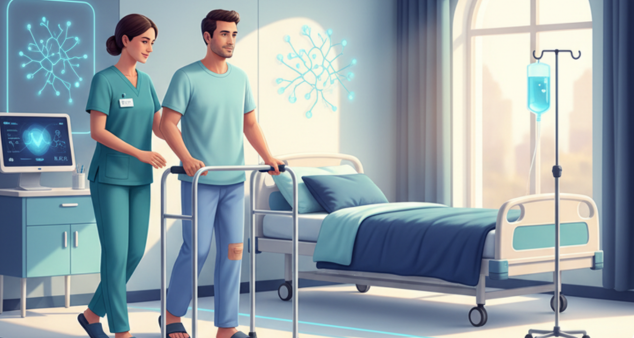
Post-Surgery Recovery: What Patients Must Know Before Discharge
Proper post-surgery care begins even before a patient leaves the hospital. Understanding recovery essentials helps prevent complications and ensures a safer healing journey.
Patients must know their movement restrictions, wound care instructions, medication schedule, physiotherapy needs, follow-up visits, diet recommendations, and early warning signs of infection or complications. Clear discharge planning is the key to smooth recovery at home or in a rehabilitation centre.

Addiction Rehabilitation: Why Holistic Treatment Works Best
Holistic addiction rehabilitation combines medical detox, counselling, therapy, and lifestyle support to treat the whole person — mind, body, and environment.
Evidence shows integrated programs that include medical care, psychological therapy (CBT/DBT), family counselling, vocational support, nutrition, and mindfulness reduce relapse and build lasting recovery. Holistic care addresses triggers, mental health, social factors, and physical well-being.
How Occupational Therapy Helps Patients Regain Daily Independence
Occupational therapy helps patients regain confidence and independence by improving their ability to perform essential daily activities safely and effectively.
Through customized exercises, strength training, cognitive rehabilitation, fine-motor skill development, and adaptive-equipment training, occupational therapists help patients rebuild functional abilities lost due to stroke, injury, illness, surgery, or age-related decline.
Difference Between Physiotherapy, Occupational Therapy & Neuro Rehab
Physiotherapy, occupational therapy, and neuro rehabilitation each play a unique role in recovery—helping patients regain mobility, independence, and brain–body function.
Physiotherapy focuses on improving movement, strength, and physical function. Occupational therapy helps patients perform daily activities independently. Neuro rehab specializes in restoring brain and nerve function after stroke, brain injury, Parkinson’s, or neurological conditions.
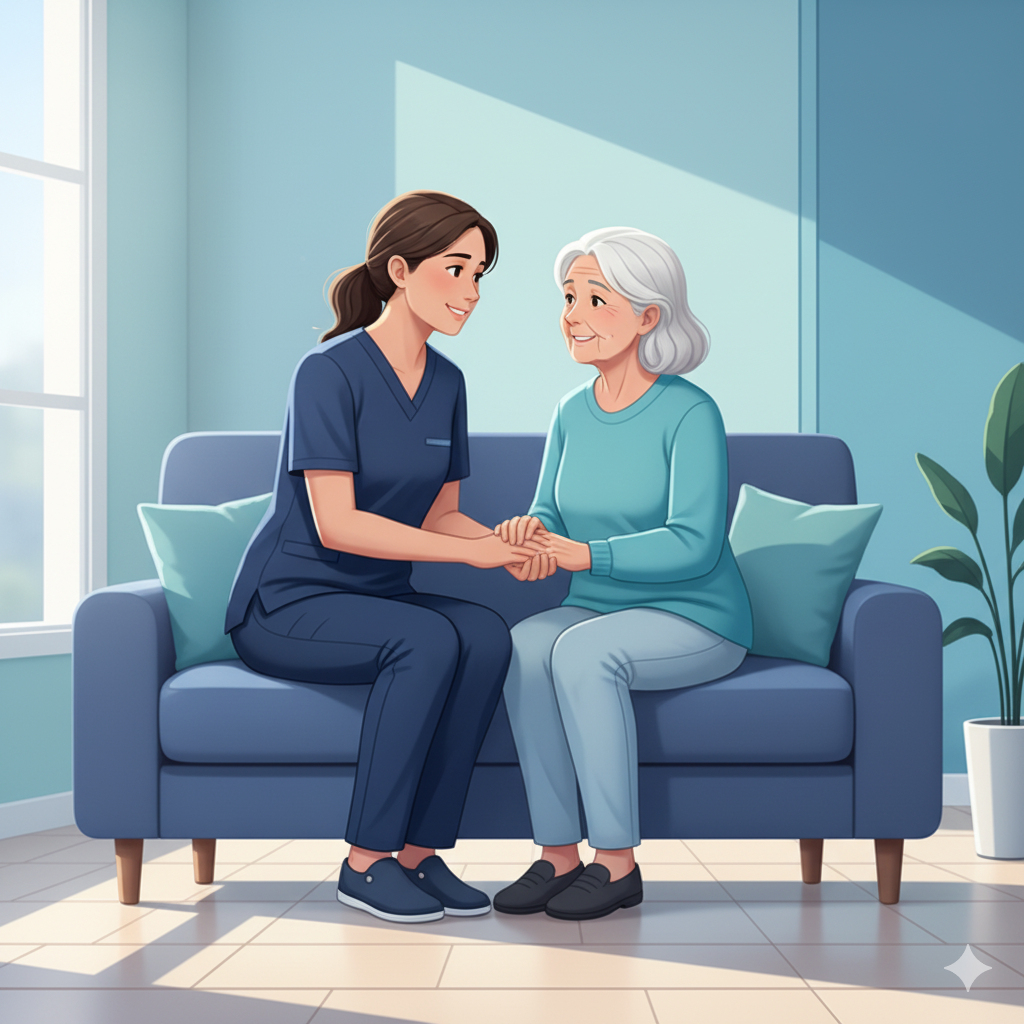
Dementia & Alzheimer’s Care: How Rehab Improves Quality of Life
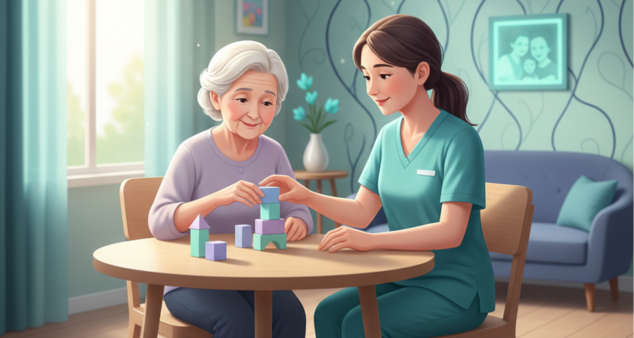
Specialized dementia and Alzheimer’s rehabilitation focuses on preserving memory, improving function, and enhancing daily quality of life through targeted therapies.
Our multidisciplinary rehab combines cognitive stimulation, memory exercises, occupational therapy, caregiver training, and safe environment design to reduce agitation, support independence, and maintain dignity for people living with dementia.
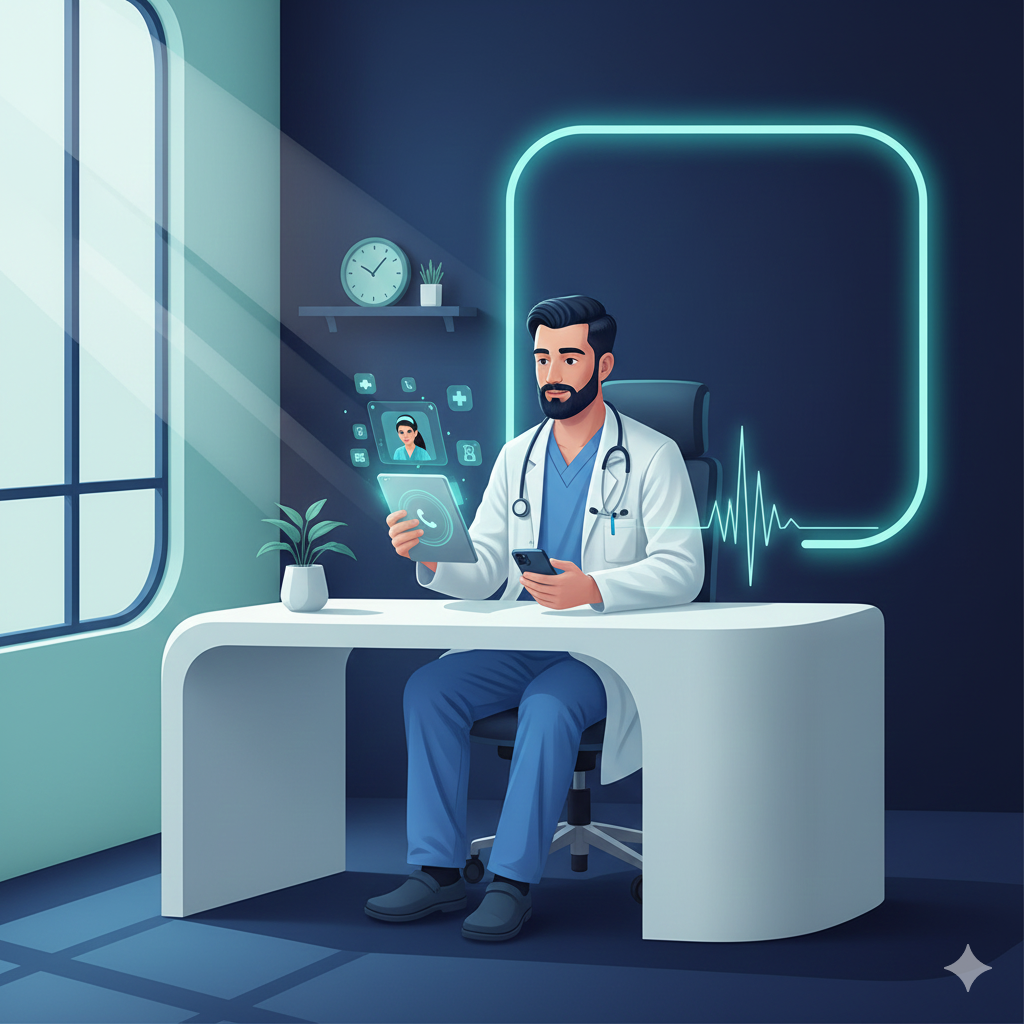
What to Expect During Your First Visit to a Rehabilitation Centre
Your first visit to a rehabilitation centre is designed to help you understand your condition, meet the care team, and receive a personalized recovery plan.
During the initial assessment, specialists review your medical history, perform physical and cognitive evaluations, discuss your goals, and explain the recommended therapies. This ensures a smooth and confident start to your rehab journey.
Frequently Asked Questions
Yes, all sessions and personal information are treated with the strictest confidence and ethical standards, ensuring a safe and trusting environment for recovery.
We offer a comprehensive range of services, including physical rehabilitation (post-stroke, spine injury), psychological counseling (CBT, addiction recovery), and specialized senior care programs.
Absolutely. Family involvement is crucial for long-term success. We offer family counseling and educational programs to help support the patient's recovery journey.
Explore expert insights, recovery tips, physiotherapy guidance, senior care advice, and rehabilitation resources from the specialists at Vianic Rehabilitation Centre in Bangalore. Our blog covers personalized recovery plans, stroke rehabilitation, post-surgery care, mental wellness, caregiver support, and holistic healing to support long-term recovery and wellness.